Tōgō Shrine
A pond, a garden, and a century of quiet — one step off the loudest street in Tokyo.
Key facts
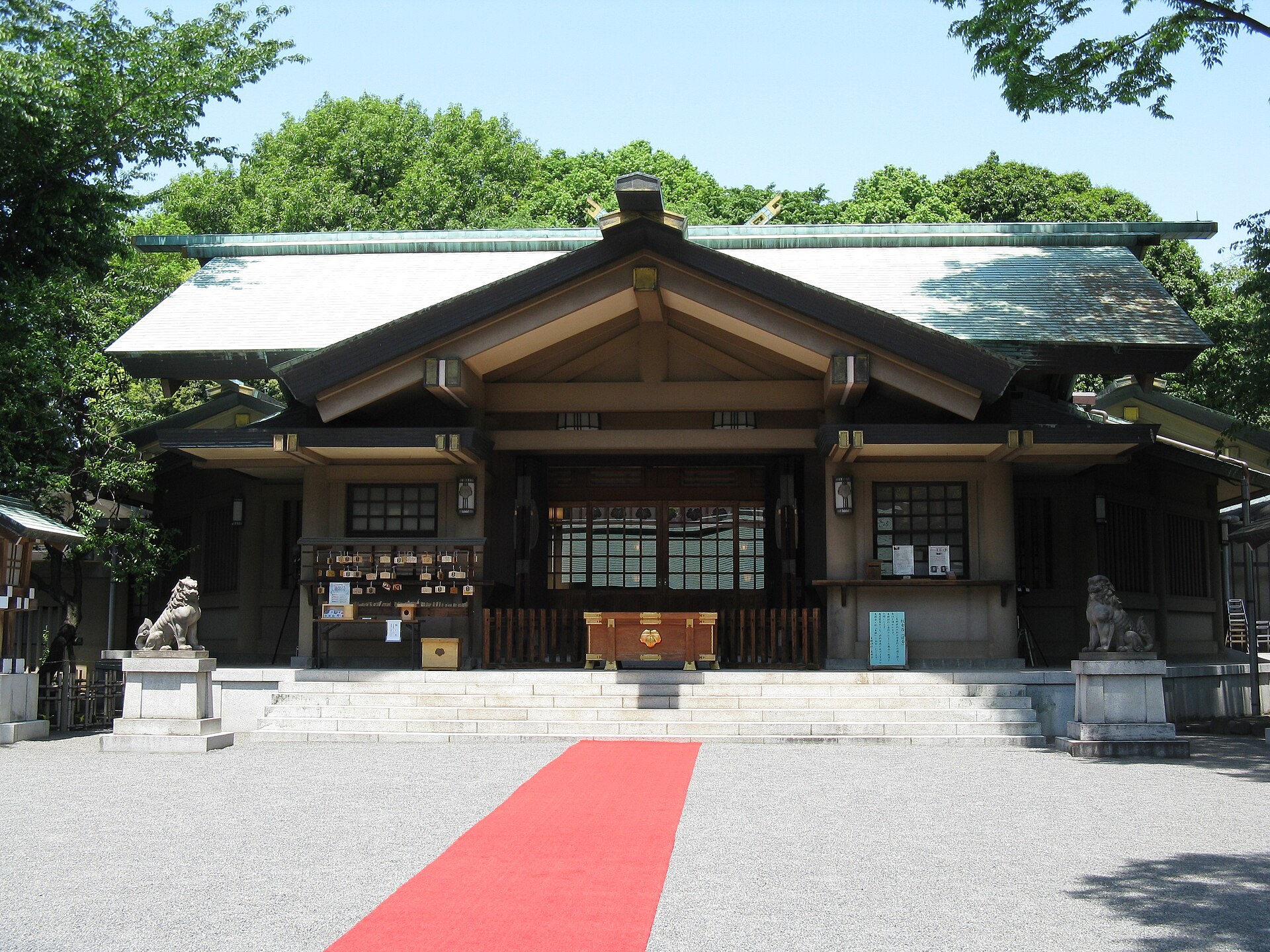
- A Shinto shrine with a pond garden, dedicated to Admiral Tōgō Heihachirō, victor at the 1905 Battle of Tsushima.
- Established in 1940, destroyed in WWII bombing, and rebuilt in 1964.
- One of the calmest spots in Harajuku — a garden and pond barely a minute from Takeshita-dōri.
Narration transcript
Feel how the sound drops. One step off Takeshita-dori and you're in the grounds of Togo Shrine — a pond, old trees, stone lanterns, and air that somehow holds still. Take the path slowly. This is the oldest, quietest thing on our whole walk, and it sits barely thirty seconds from the neon.
The shrine is dedicated to Admiral Togo Heihachiro, the naval commander Japan honored for his victory at the Battle of Tsushima in nineteen-oh-five. It was established here in nineteen-forty, destroyed by bombing in the Second World War, and rebuilt in nineteen-sixty-four. So the calm you're standing in is also a kind of recovery — a garden put back together in the middle of a city that never stops rebuilding.
Walk to the edge of the pond if you can. Watch the carp, listen to the water. There's nothing to buy here and nothing to pose for, and that's exactly the point. The front of Harajuku is a street you perform on. The back is a place you can simply be.
Hold onto that contrast, because it's the key to everything ahead. The back of Harajuku isn't just a different street from the famous one — it's a different world, with its own rhythm, hidden in plain sight.
When you're ready, leave the shrine by the far side and rejoin the lanes. Because the back of Harajuku has a loud side too — not loud like a crowd, but loud like an idea. Just ahead are the streets where Japanese street fashion was actually invented: Ura-Hara.