The Ura-Harajuku lanes
These back lanes invented Japanese streetwear — and then dressed the world.
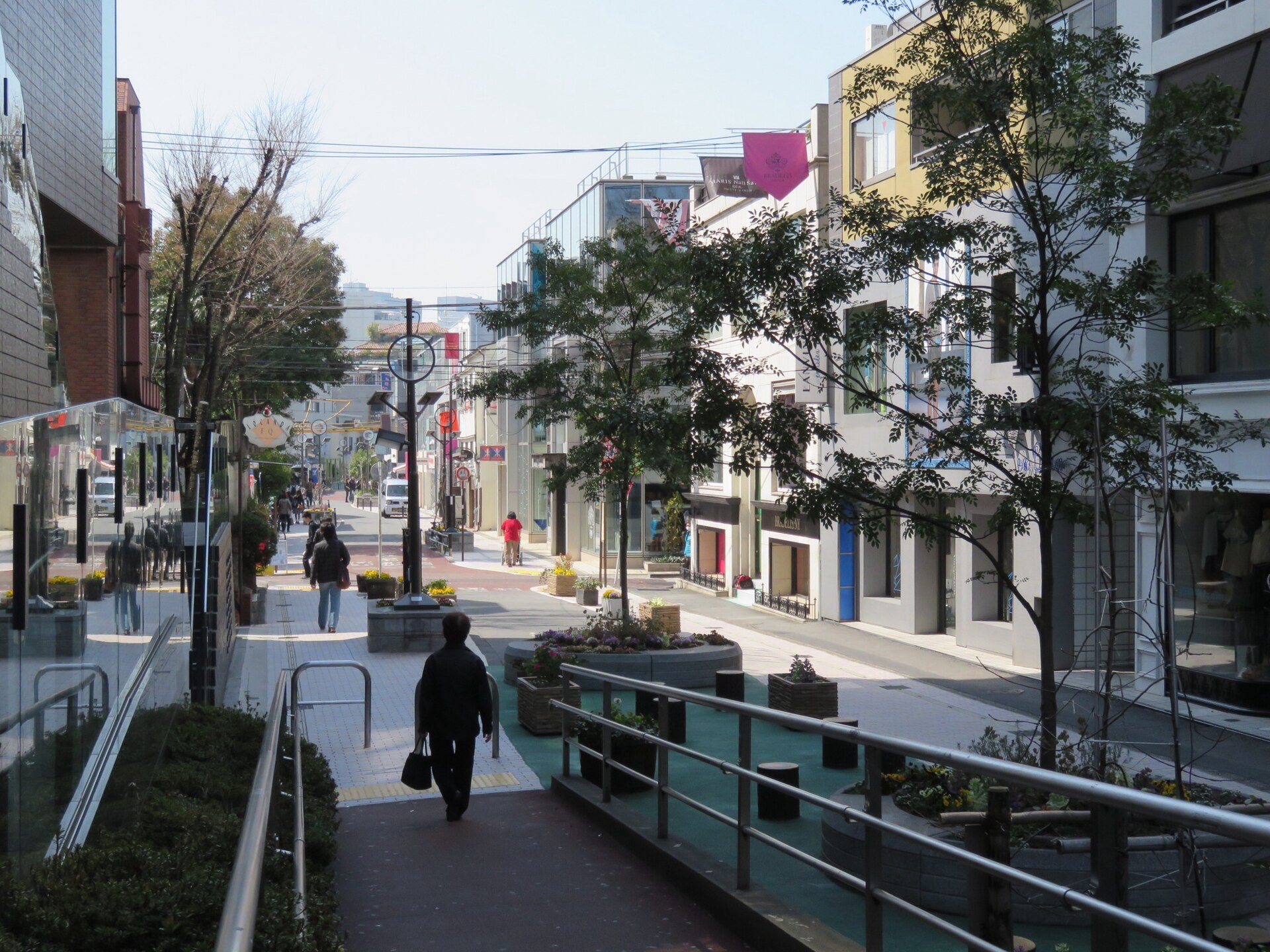
Key facts
- “Ura-Hara” (裏原宿, “behind Harajuku”) is the grid of back lanes where Japanese streetwear was born in the early-to-mid 1990s.
- In 1993 the shop NOWHERE opened here, co-founded by Nigo (who launched A Bathing Ape / BAPE) and Jun Takahashi (Undercover).
- Hiroshi Fujiwara, the scene's “godfather”, mentored and backed the founders — a guiding figure rather than a brand owner.
Narration transcript
Look at these lanes. Narrow, a little scruffy, lined with small shops you could walk right past. This is Ura-Hara — literally behind Harajuku — and these unremarkable back streets changed how the whole planet dresses.
In the early nineteen-nineties, a handful of young designers set up shop back here, away from the expensive main avenues where they could never have afforded the rent. In nineteen-ninety-three, two of them — a designer the world would come to know as Nigo, and his friend Jun Takahashi — opened a tiny store in these lanes. Nigo went on to launch the label A Bathing Ape, known as BAPE; Takahashi built the label Undercover. Guiding them from the sidelines was an older figure the scene still calls its godfather, Hiroshi Fujiwara — not a brand owner, but the mentor and backer who connected everyone.
What they proved, in these cramped streets, was radical: that a few people with a strong idea could invent a style right here and send it around the world. Within a decade, kids in London, Los Angeles, and Seoul were lining up for clothes dreamed up on the lane you're standing in.
The shops themselves come and go — a label that's famous one year moves or closes the next — so don't hunt for a particular door. Feel the place instead: the sense that something new could be getting made behind any one of these windows right now.
Keep walking, and watch ahead for a building that turned this whole do-it-yourself spirit inside out — wrapped, startlingly, in bright red pipes. That's the Design Festa Gallery.