Vintage row
Why Harajuku became Tokyo's secondhand capital — and why there's so much of it right here.
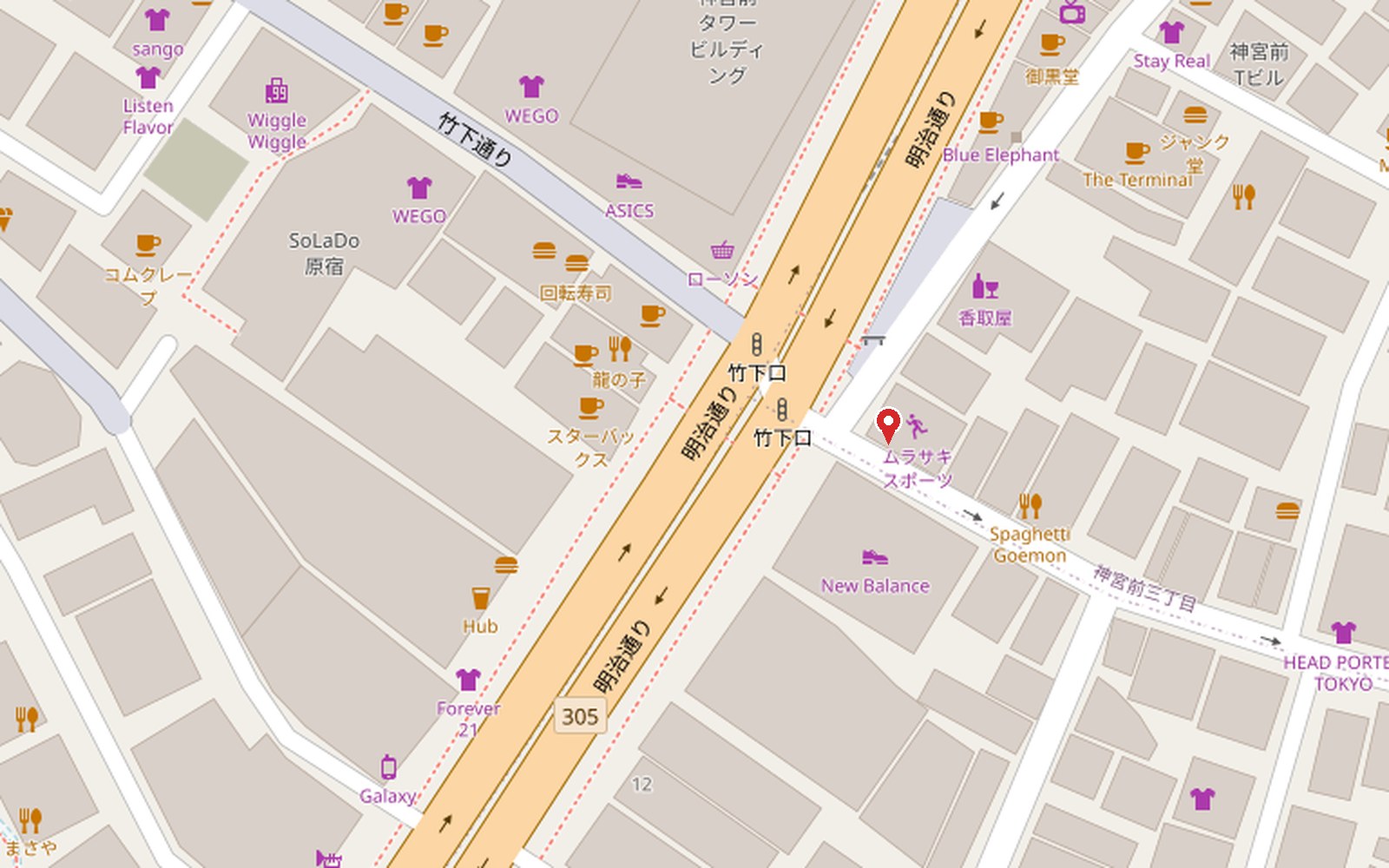
Key facts
- Harajuku and Ura-Hara hold one of Tokyo's densest concentrations of second-hand and vintage clothing — American vintage, designer archive and vintage kimono.
- The vintage trade grew up alongside the 1990s streetwear scene, sharing its resale-and-remix culture.
- Shops turn over constantly; the enduring draw is the type of place, not any single store.
Narration transcript
Slow down along here and look at the shop windows. Rails of old denim, faded band t-shirts, designer pieces from decades past, racks of second-hand kimono. You've walked into what may be the densest concentration of vintage and second-hand clothing in all of Tokyo.
Why here? It's not an accident. Remember those nineteen-nineties designers a few lanes back — the ones who built new labels out of old ideas. The vintage trade grew up right alongside them, feeding the same hunger: to find something nobody else has, to remix the past into something personal. Second-hand here isn't the budget option. It's the treasure hunt. People travel across the city, and across the world, to dig through these particular racks.
I won't send you to any one shop, because in a place like this the shops shuffle constantly — this year's favorite is next year's something else. That churn is the point. What's durable is the type of place: the small second-hand store, packed tight, run by someone with a very specific eye, hidden on a back lane exactly like this one. Learn to spot those, and you can shop Harajuku for the rest of your life.
This is the offbeat shopping the back of Harajuku is really famous for — the part the crepe-and-capsule front street never shows you.
When you're ready, let the racks go for a moment. Just ahead, behind a much quieter door, is the deep history all this style is sitting on top of — a small museum of old Japanese prints. The Ota Memorial Museum.