Ōta Memorial Museum of Art
Ukiyo-e woodblock prints, tucked a block off the neon — the old visual culture Harajuku style grew out of.
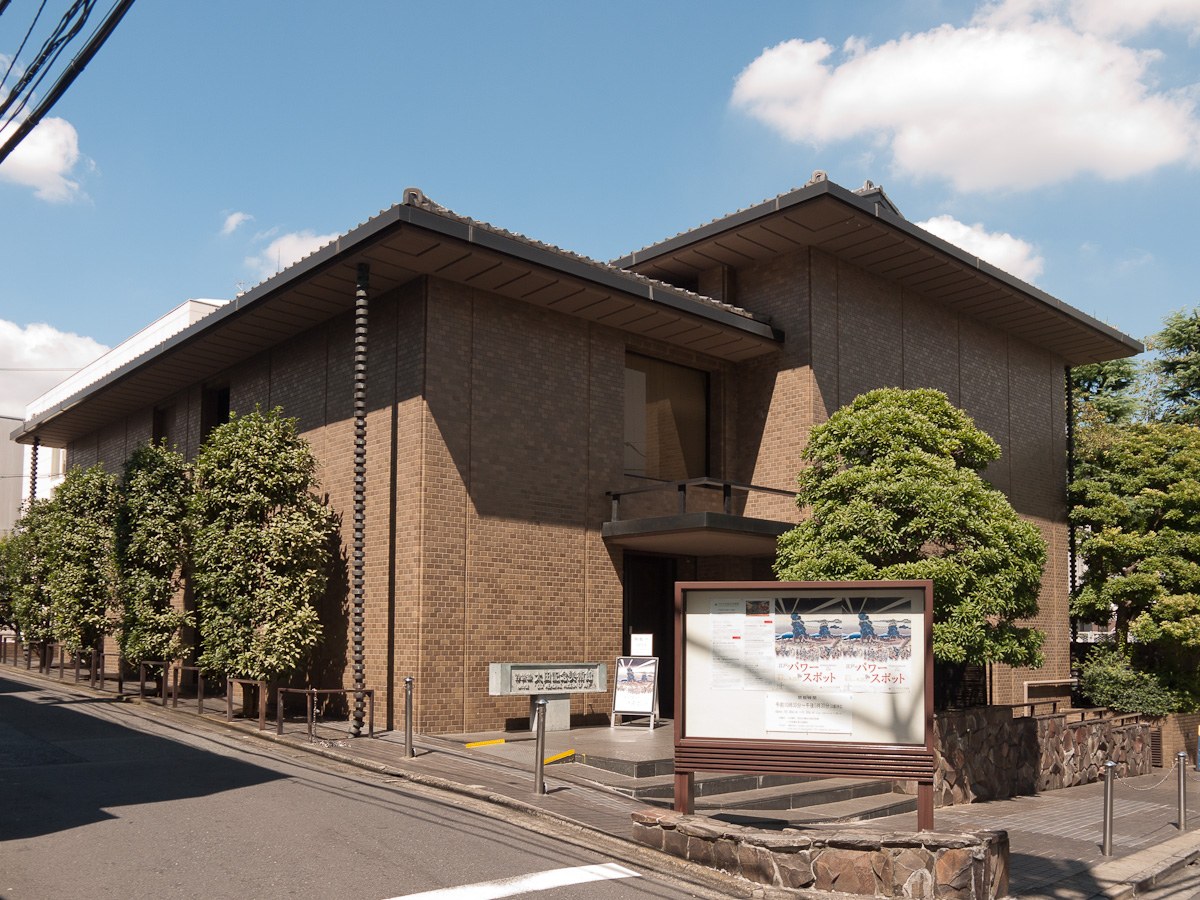
Key facts
- A museum specialising in ukiyo-e woodblock prints and painted works.
- Built on the roughly 12,000-piece collection of Ōta Seizō V (1893–1977).
- Opened on 13 January 1980, a short step from Takeshita-dōri.
Narration transcript
Here's the quiet door I promised. This is the Ota Memorial Museum of Art, and it's devoted to ukiyo-e — the Japanese woodblock prints that gave us those famous images of great waves, kabuki actors, and courtesans in flowing robes.
Step off the busy lane in your mind for a second and consider what's inside. The museum was built around the private collection of a businessman named Ota Seizo, who spent his life rescuing these prints — somewhere around twelve thousand of them — at a time when many people treated them as disposable, everyday pictures. It opened here, a short step from the fashion streets, in nineteen-eighty.
And that location is the whole point of stopping. Ukiyo-e means, roughly, pictures of the floating world — images of style, of trends, of what was fashionable and fleeting in the city centuries ago. The young people photographed on that bridge, the designers in these lanes, the vintage hunters we just passed — they're the latest chapter in a very old Japanese habit of turning everyday style into art. Harajuku didn't invent that out of nothing. There are centuries of it, world-class, sitting one block off the neon.
It's a small place, and a calm one — the kind of depth the guidebooks skip right past on their way to the crepe stand.
When you come back out, follow your nose. The next two stops are about appetite, and the first of them is the smell of good coffee somewhere close by — a backstreet cafe.