Cat Street
A river paved over into a shopping street — the literal backbone of “the back.”
Key facts
- Cat Street (the “Old Shibuya River Promenade”) follows the buried course of the Onden River, an upstream tributary of the Shibuya River.
- The river was culverted in the run-up to the 1964 Tokyo Olympics; the street's gentle curve traces the old riverbed.
- Today it is a car-light promenade of independent boutiques running toward Shibuya — the main route through Ura-Harajuku.
Narration transcript
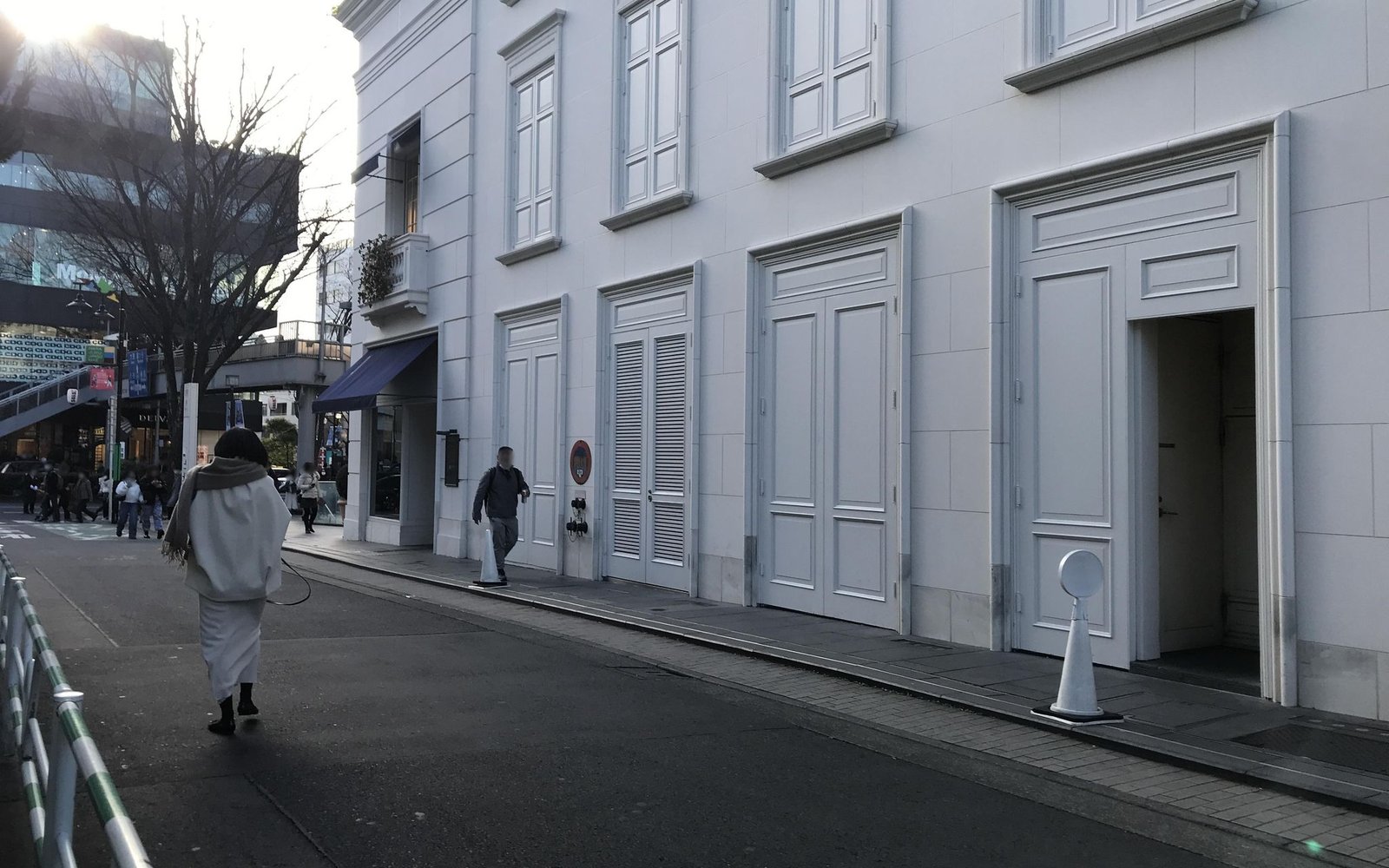
Stop for a moment and notice the ground. This street — everyone calls it Cat Street — doesn't run straight. It curves, gently and oddly, the way no planned road ever would. There's a reason for that curve, and it's wonderful: you're walking on a river.
Beneath your feet runs the old course of the Onden River, a stream that once flowed down toward the Shibuya River. In the run-up to the nineteen-sixty-four Tokyo Olympics, as the whole city rebuilt, that stream was buried — covered over and paved into a walkway. The water still follows this path underground, which is why the promenade bends the way it does. The gentle curve under your shoes is the shape of a hidden riverbed.
Above ground, it's become one of the best streets in Harajuku: car-light, lined with independent boutiques, a calm spine running all the way toward Shibuya. It's where the fashion and the vintage and the cafe culture all spill together into one long, walkable ribbon.
And think about what you're really standing on, because it's this whole walk in a single image. A river, hidden and paved over, that you can now stroll along without ever knowing it's there. A subculture, invented in back lanes, that dressed the world while the cameras stayed on the bridge. The back of Harajuku is full of things like this — hidden in plain sight, right under the surface.
Follow the old river down its curve to the end. Just ahead, the quiet back of Harajuku runs straight into the grandest boulevard in the neighborhood.