Mulholland Bridge & "Carmageddon"
The bridge they tore down in a weekend — and the gridlock apocalypse that never came.
Key facts
- "Carmageddon" was the July 15–17, 2011 full weekend closure (~53 hours) of ~10 miles of the I-405 through the Sepulveda Pass, to demolish the south half of the Mulholland Drive bridge for the Sepulveda Pass Improvements (widening) Project.
- The predicted gridlock never materialized — Angelenos stayed home: northbound 405 traffic fell roughly 61% and southbound San Fernando Valley traffic roughly 73% versus a normal summer Saturday.
- The ~$1 billion project added a 10-mile northbound carpool (HOV) lane; the remaining (north) half of the bridge came down in "Carmageddon II," September 29–30, 2012.
Narration transcript
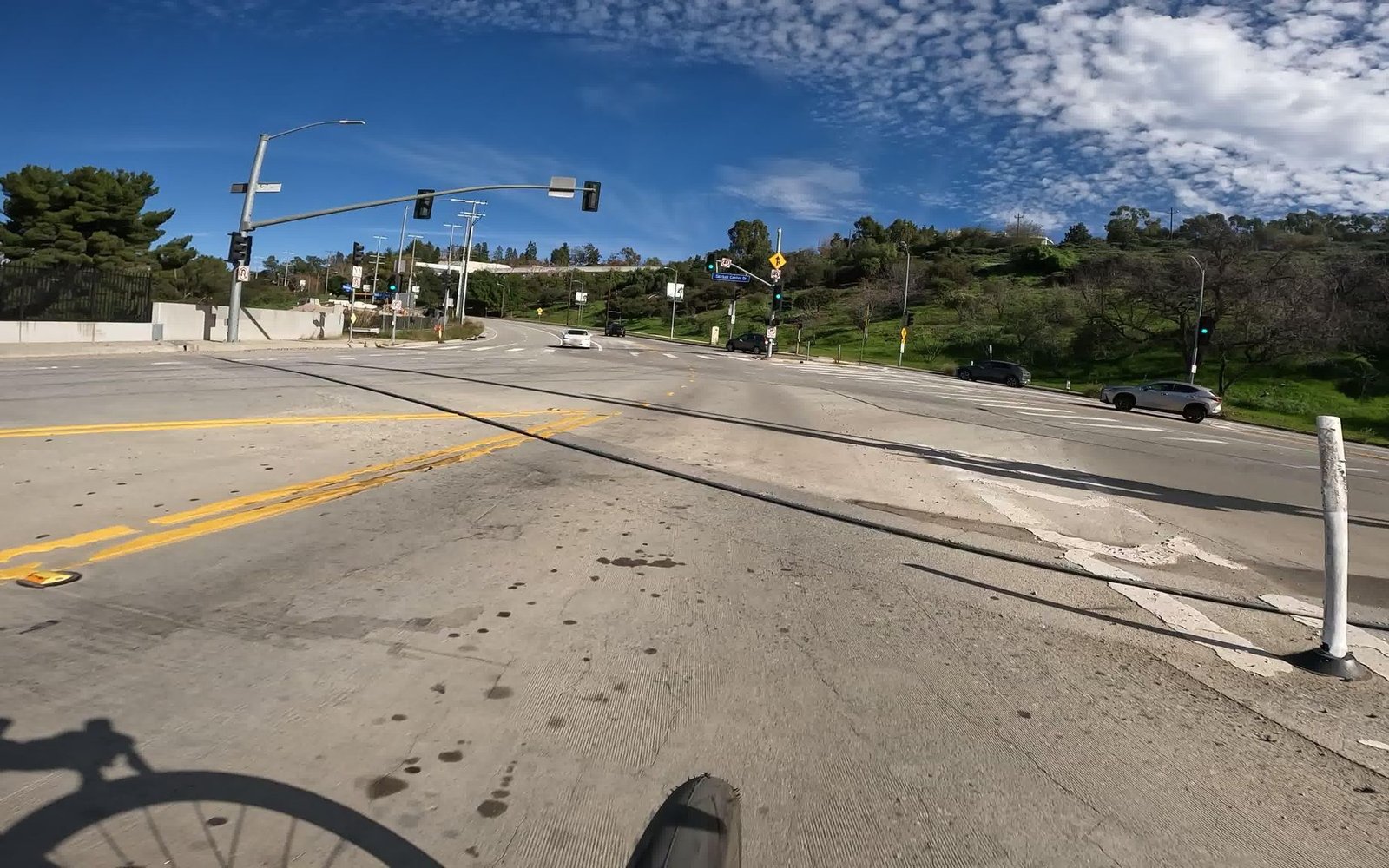
That bridge crossing high over the freeway ahead carries Mulholland Drive — and in the summer of 2011 it became, briefly, the most famous bridge in America. The plan was to widen the four-oh-five with a ten-mile carpool lane, and to do it they had to tear down half of this bridge. So for one weekend in July, they shut the entire freeway — ten miles of it, right here through the pass — for about fifty-three hours. The news gave it a name: Carmageddon. Officials practically begged people to stay off the roads, warning of the worst gridlock in the city's history.
And then… nothing happened. Angelenos took the warning so seriously that they simply stayed home. Traffic that weekend didn't spike — it collapsed, down by sixty, seventy percent. People threw "Carmageddon parties." It turned out the cure for LA traffic was telling everyone the traffic would be unbearable. They came back and did it all again the next year — "Carmageddon Two" — to take down the other half of this bridge. A billion-dollar project, and its most memorable weekend was the one where nobody drove.