Springs Preserve (Big Springs)
Before the neon, before the dice — the water. This is where Las Vegas actually began.
Key facts
- Las Vegas is Spanish for "the meadows" — the name comes from the spring-fed grassy meadows that the artesian Big Springs and Las Vegas Creek watered on the trail between New Mexico and California.
- The springs supported human use for thousands of years — sources give a range (people used them at least ~5,000 years ago; the springs flowed for well over 15,000 years) — with Southern Paiute (and earlier) presence documented.
- Over-pumping dropped the water table until the Las Vegas Springs stopped flowing to the surface in 1962 — the green oasis that named the city ran dry.
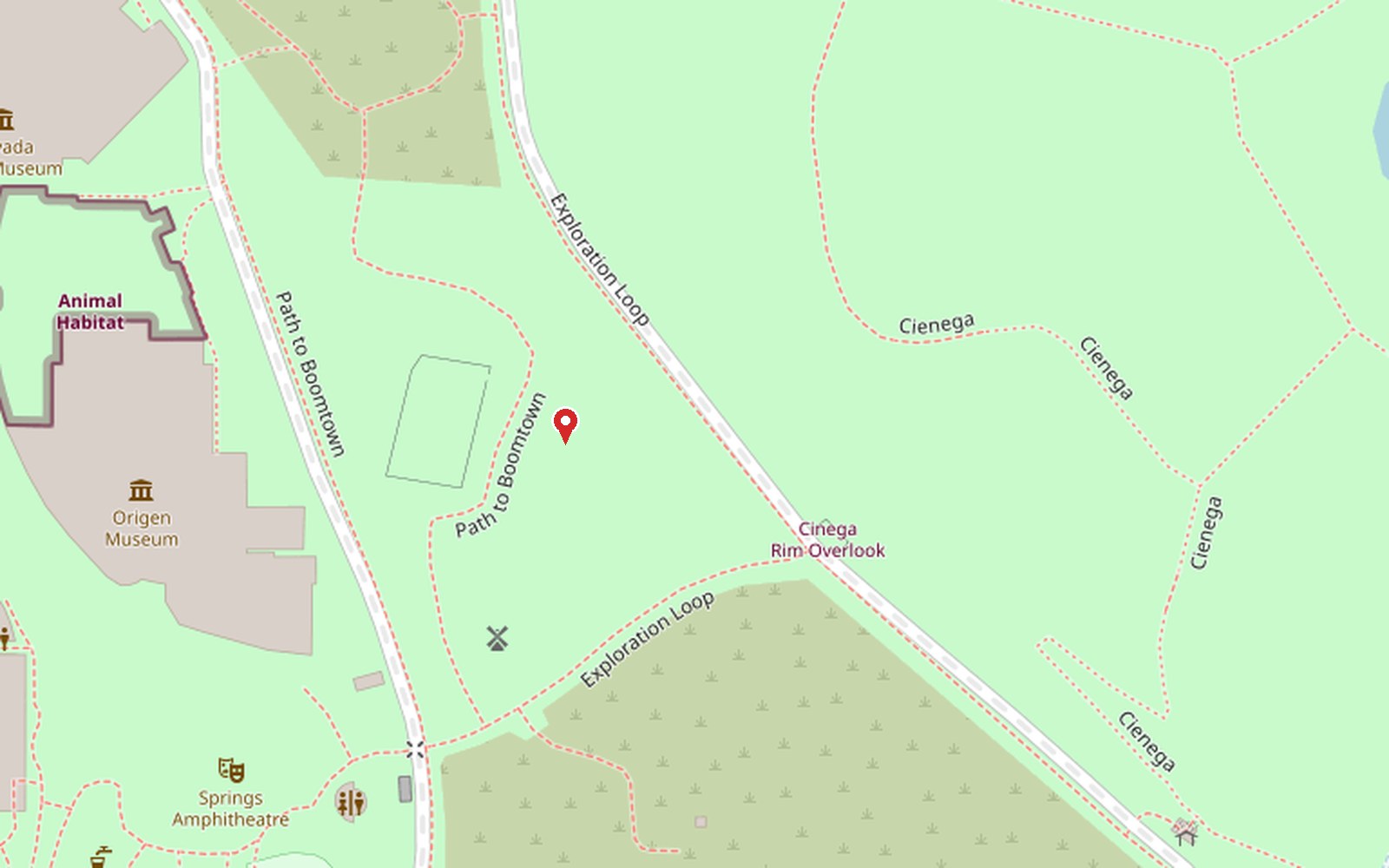
- The 180-acre Springs Preserve now sits on the original spring site with the Origen Museum, the Nevada State Museum, botanical gardens and a "Boomtown 1905" area; parking is free and the site runs on solar.
Narration transcript
Welcome, and before we roll, one thing about how this works: the narration plays itself, hands-free. The screen is for your passenger or the parking lot — never for the driver. Eyes on the road; let the voice do the work.
Now — most tours of this city start with neon. Ours starts with water. You're parked on top of the reason Las Vegas exists at all. Las Vegas is Spanish for "the meadows," and there really were meadows here — fed by artesian springs that bubbled up out of the desert floor and ran for something like fifteen thousand years. Paiute people camped at this water; wagon trains refilled here on the trail west. Everything the valley became grew from this one wet spot.
And here's the catch the whole city is still living with. We pumped so hard that in 1962 the springs simply stopped. The water that named the place ran dry. The green you see now is piped in — Las Vegas is a bet against the desert, and this is where the bet was placed.
When you're ready, head northeast toward downtown and the neighborhood on the far side of the freeway — the Historic Westside.