← Daly City & South SF Driving Tour
Top of the Hill
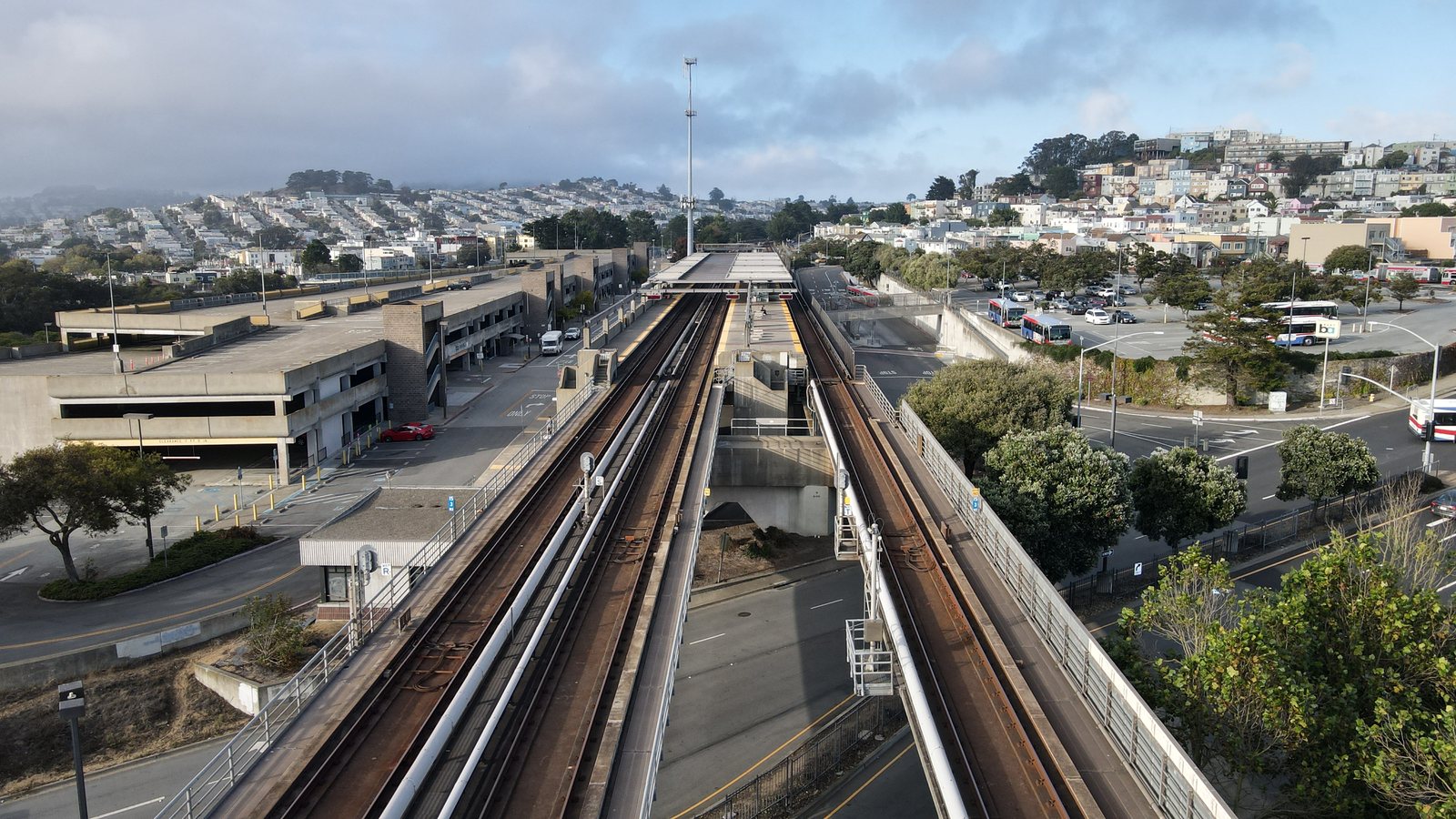
Stop — where 1906 refugees dragged their earthquake shacks onto a dairy ranch, and founded the most Filipino-American city in the country.
Key facts
- John Daly ran a 250-acre dairy ranch here from 1868
- Daly sheltered 1906 earthquake refugees, then sold them cheap lots in 1907
- Daly City incorporated March 22, 1911
- Highest concentration of Filipino Americans of any sizeable U.S. city — the “Pinoy Capital” (40.7%, 2010 Census)
Narration transcript
You've reached the Top of the Hill — the literal high point of Mission Street, right where San Francisco ends and Daly City begins. This spot is where the whole city started, and it started with a disaster.
Before 1906, this was John Daly's dairy ranch — 250 acres of pasture, cows, and a man who sold milk and butter down the hill into the city. Then, on the morning of April 18th, 1906, the earthquake and the fire took San Francisco apart, and tens of thousands of people had nowhere to go. Daly threw his ranch open to them. Refugees came up Mission Street hauling the little relief shacks the city had issued them, and Daly, the following year, carved his pasture into lots and sold them cheap so those families could set their shacks down and stay. A town grew out of earthquake refugees and a dairyman's generosity. They incorporated in 1911 — named it after him — partly just to keep San Francisco from swallowing them the way it swallowed everything else.
And look at who lands here now, because the pattern never stopped. Daly City is the most Filipino-American city in the country — more than forty percent, so much so that it's nicknamed the “Pinoy Capital.” A century after earthquake refugees made their first American home on this hill, new arrivals from across the Pacific make theirs on the same ground. The city that San Francisco pushed its homeless up the hill to has spent a hundred years being the place you land first.
This is a good spot to stretch — and if you're hungry, the Filipino food along Mission Street here and up at Serramonte is the real thing. Back in the car, we head south toward a town where the residents very much outnumber the taxpayers.