Entering the Funk
The quarter the makeover skipped — cheap, odd and honest, until the arts-district clock started ticking.
Key facts
- Former industrial quarter: lumberyards, citrus and produce packing houses, fish houses, feed stores
- Downtown's Spanish-Colonial mandate never applied here; artists moved into cheap warehouses in the mid-1990s, coining "Funk Zone"
- Acme Hospitality opened The Lark and Lucky Penny here in 2013
- Santa Barbara Winery's tasting room on this corner moved out in 2021; Municipal Winemakers poured here 2009 until closing January 2026
Narration transcript
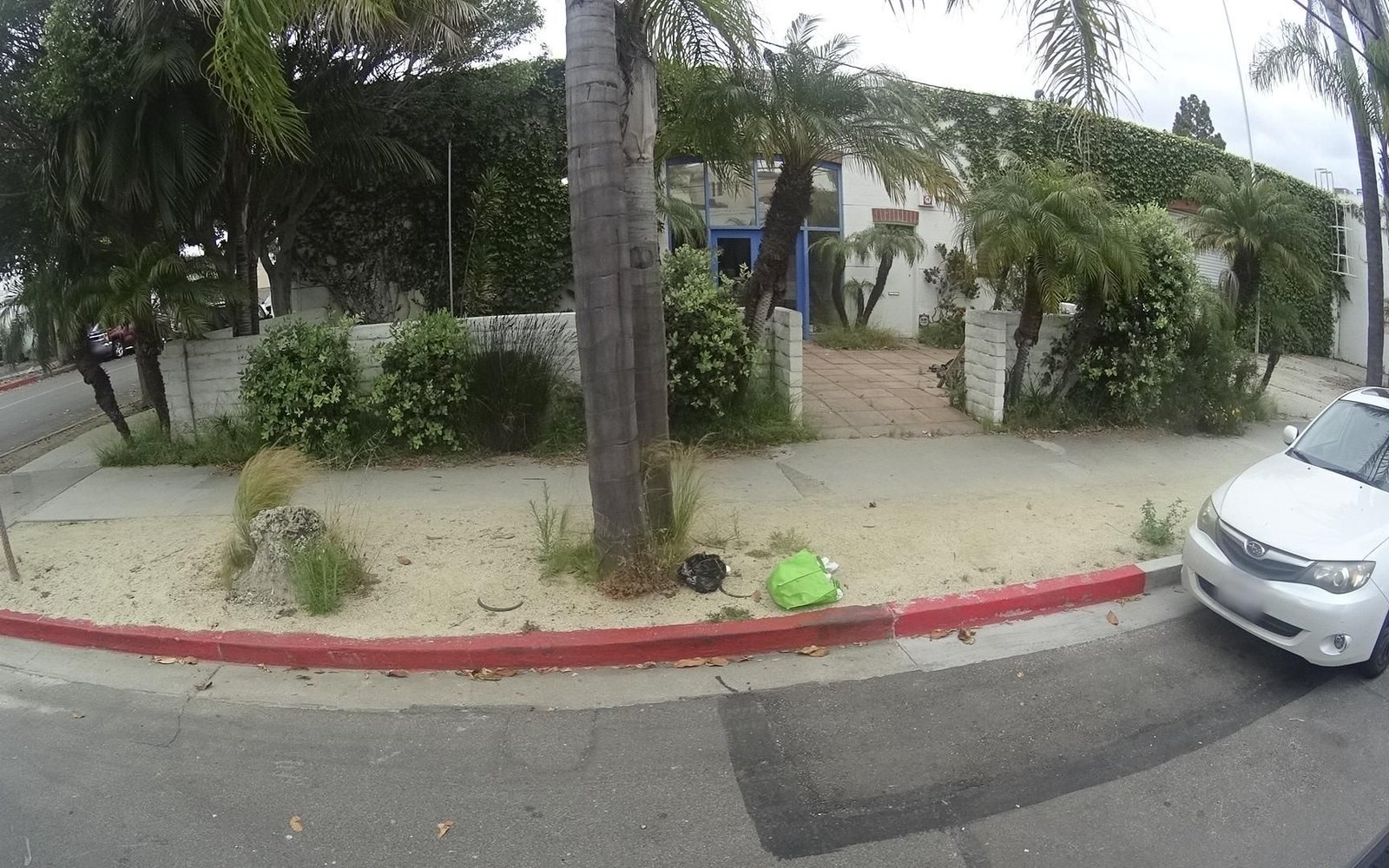
Stop on this corner and take in how different it feels. No bell towers, no matched red roofs — just low warehouses, roll-up doors, murals, and a kind of cheerful scruffiness. Welcome to the Funk Zone.
For most of the twentieth century this was the town's working underside: lumberyards, packing houses for citrus and produce, fish houses, quonset huts, feed stores. When the city up the hill decided everything should look like old Spain, that rule stopped at the tracks. Down here it stayed cheap, mismatched, and honest — nobody was dressing it up. Then, in the nineteen-nineties, artists started renting the empty warehouses because the rent was low, and somebody called it the Funk Zone, and the name stuck.
And here's where you watch a familiar story happen fast. Cheap and artistic draws attention; attention draws restaurants and tasting rooms; and around twenty-thirteen a hospitality group opened a couple of places that made the district a destination. What follows is the arc every arts district in America runs — except here it's compressed into about fifteen years, and you can read it right off these walls.
Two empty spots tell it plainly. On this very corner, Santa Barbara Winery poured wine for years, until it moved out in twenty twenty-one. And a place called Municipal Winemakers ran here from two thousand nine until it closed, this past January, after fifteen years. That's the pattern — not decline, but displacement: the cheap, odd uses that made the place interesting getting priced out by the interest they created. "Keep the funk," the stickers say. It's worth knowing what that's a wish against.
Now walk south down Anacapa, into the block where the wine actually happens.